
Calculation tools are now necessary for everyone in our digital age, from professionals overseeing projects to students working on homework. By combining multiple helpful tools in one location, a multi-calculator website makes it easy to solve a variety of problems without hopping between apps or websites. Building your own calculator hub is useful and satisfying, regardless of whether you’re doing it for business, education, or personal use.
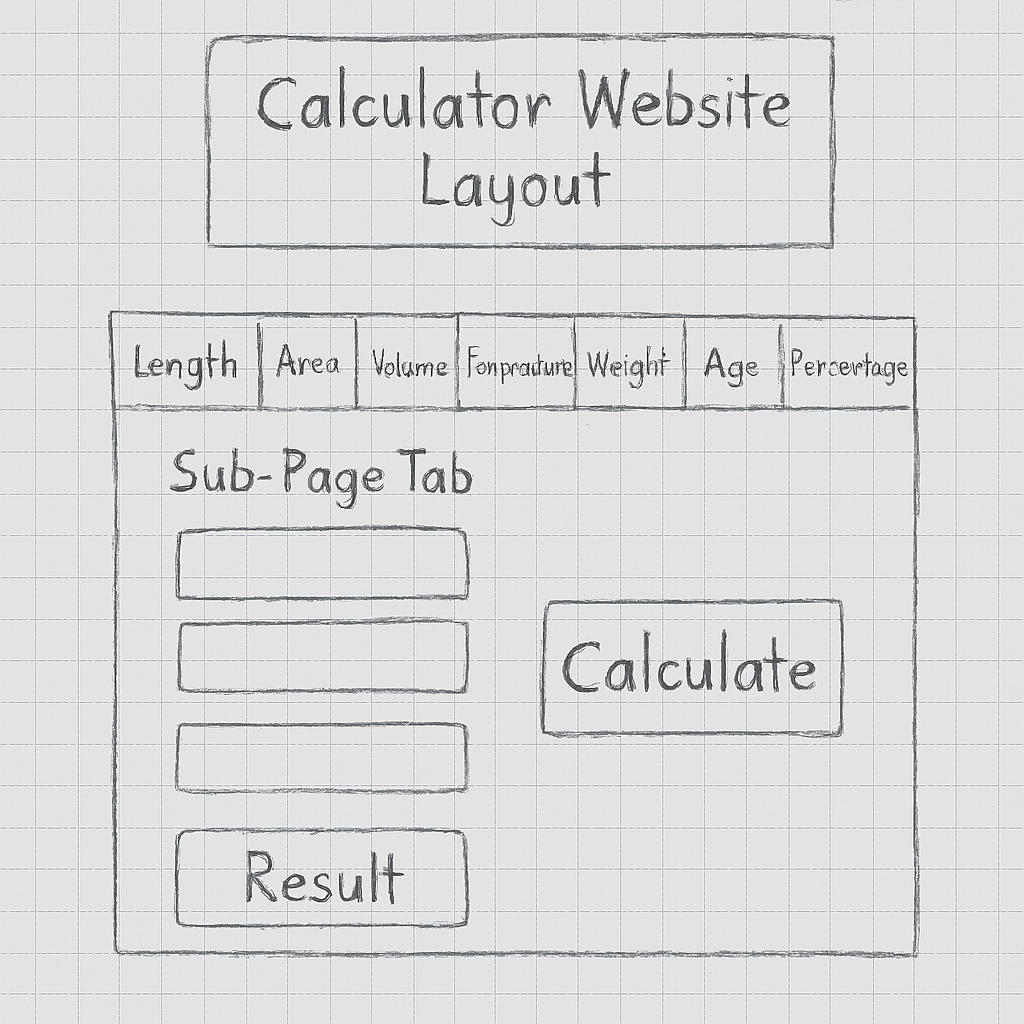
1. Making a Website Plan
Consider your website’s target audience first. Calculators for percentages and ages may be necessary for students, and unit converters and loan calculators may be useful for professionals. Date tools and BMI calculators are frequently sought after by general users.
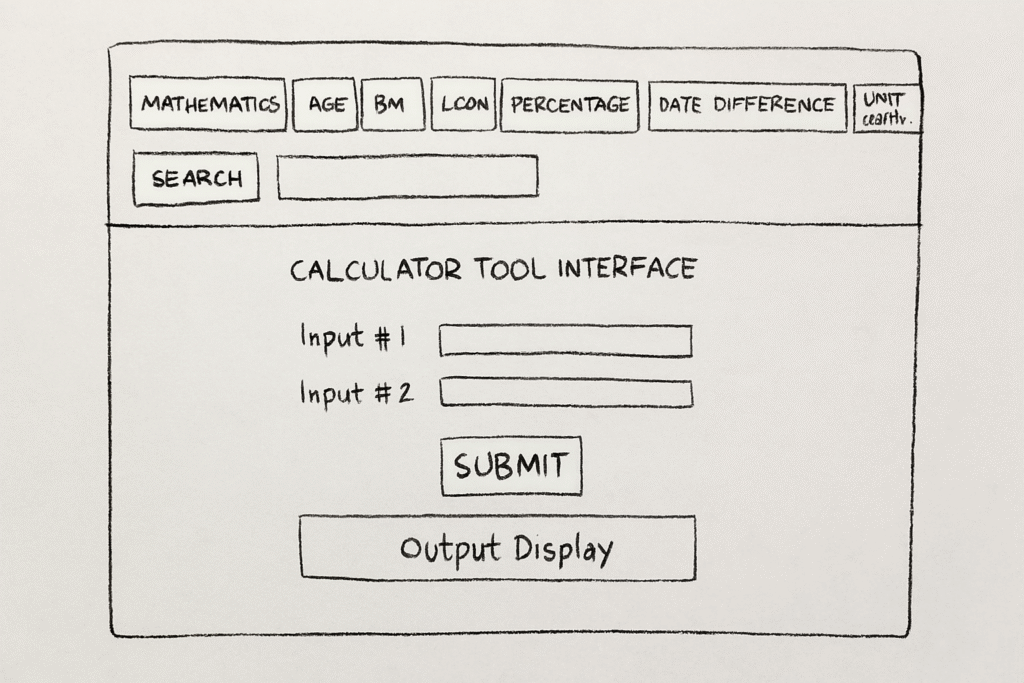
Based on common needs, decide which calculators to include. Basic math operations, an age calculator, a BMI calculator, a loan calculator, a percentage calculator, and a date difference calculator are all excellent places to start.
• Unit converters for temperature, weight, and length
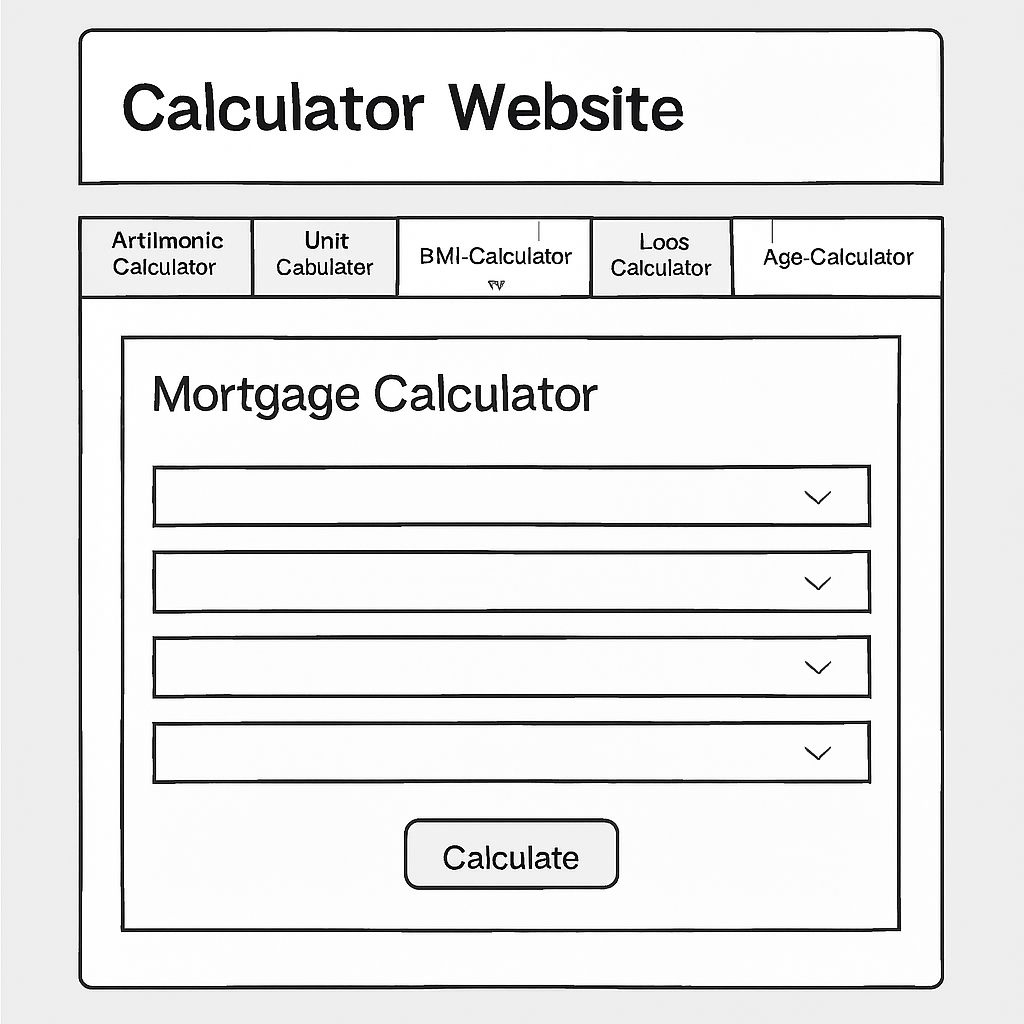
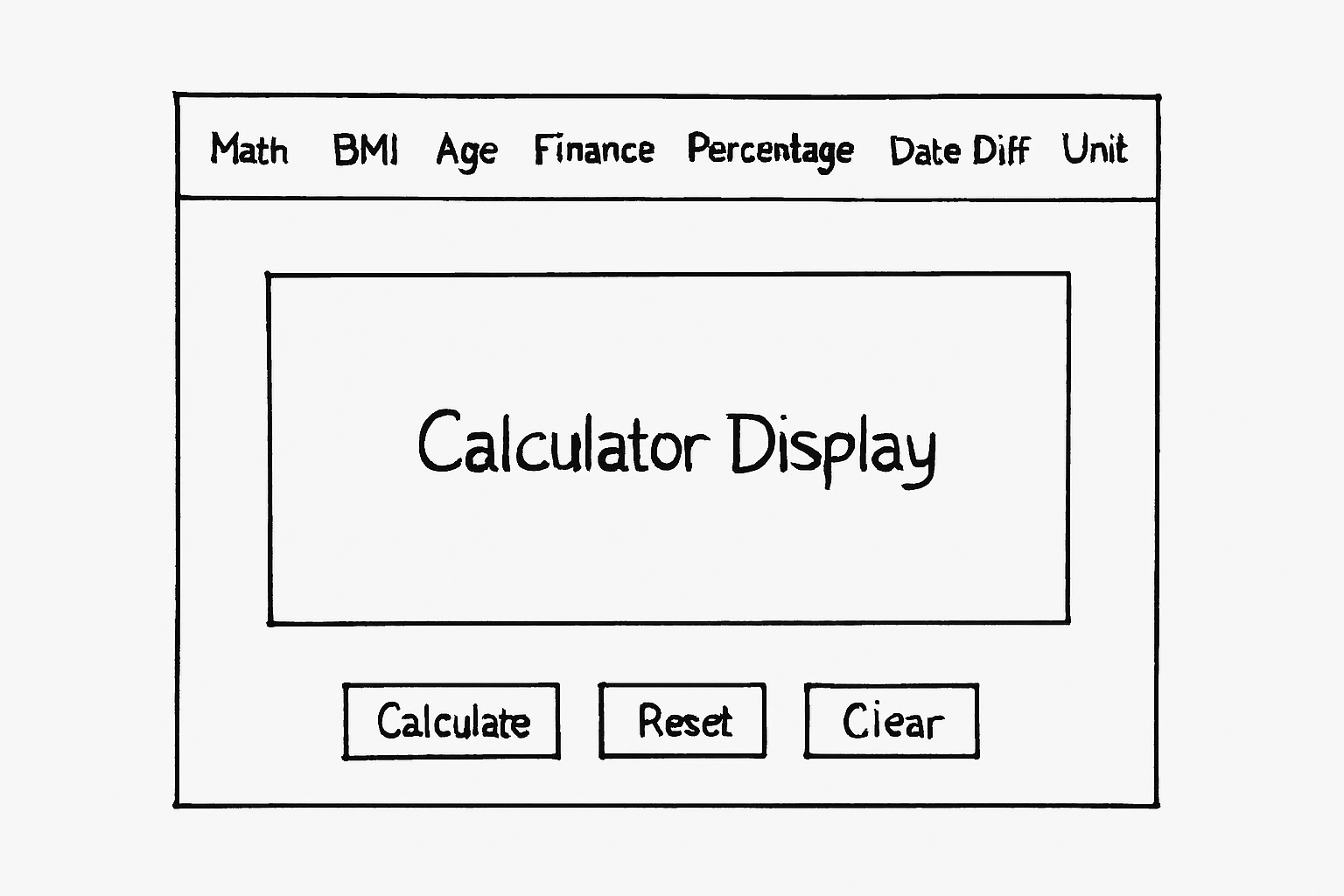
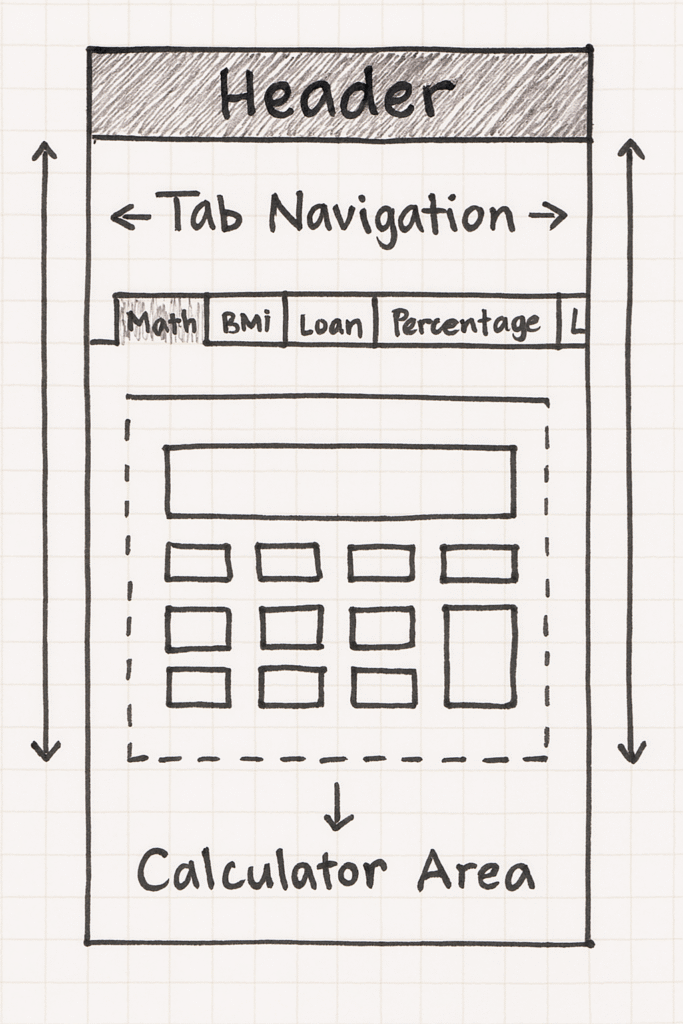
Draw a straightforward, user-friendly layout. Users can easily switch between calculators with a tabbed interface.
2. Equipment You’ll Need
Building a calculator website doesn’t require sophisticated software. The three fundamentals of web development will work flawlessly for you:
JavaScript is used for the calculation functions; HTML is used for the structure; and CSS is used for styling and aesthetic appeal.
Together, these tools produce a visually appealing and useful website that works in any web browser.
3. Laying the Groundwork
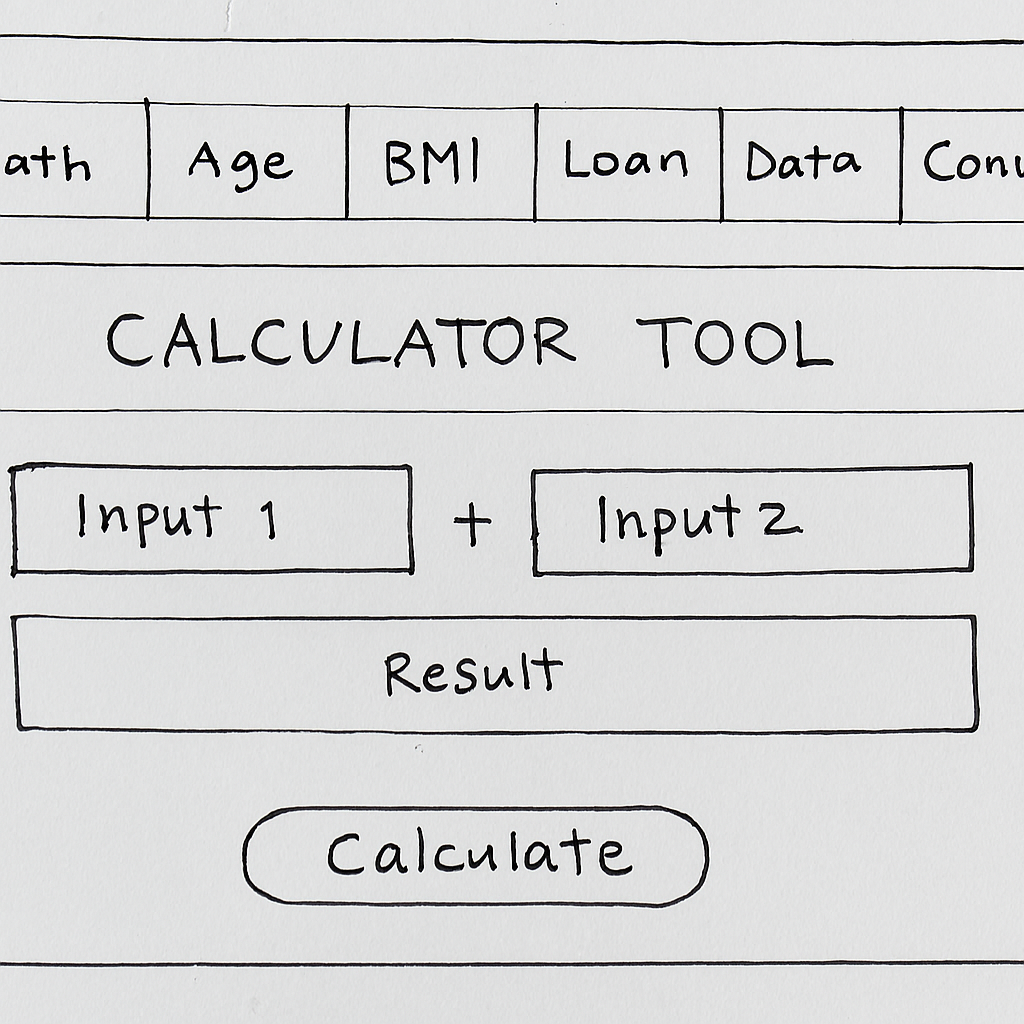
Start with a clear HTML structure that makes sense for your content. Make a header that contains the title of your website, a section for tab navigation for the calculators, and the main content section where the various calculators will be displayed.
Use a tab system for navigation so that only one calculator is displayed at a time. This avoids confusion and maintains a clean interface. JavaScript can display the selected calculator and hide the current one when users click on a different tab.
4. Developing Personal Calculators
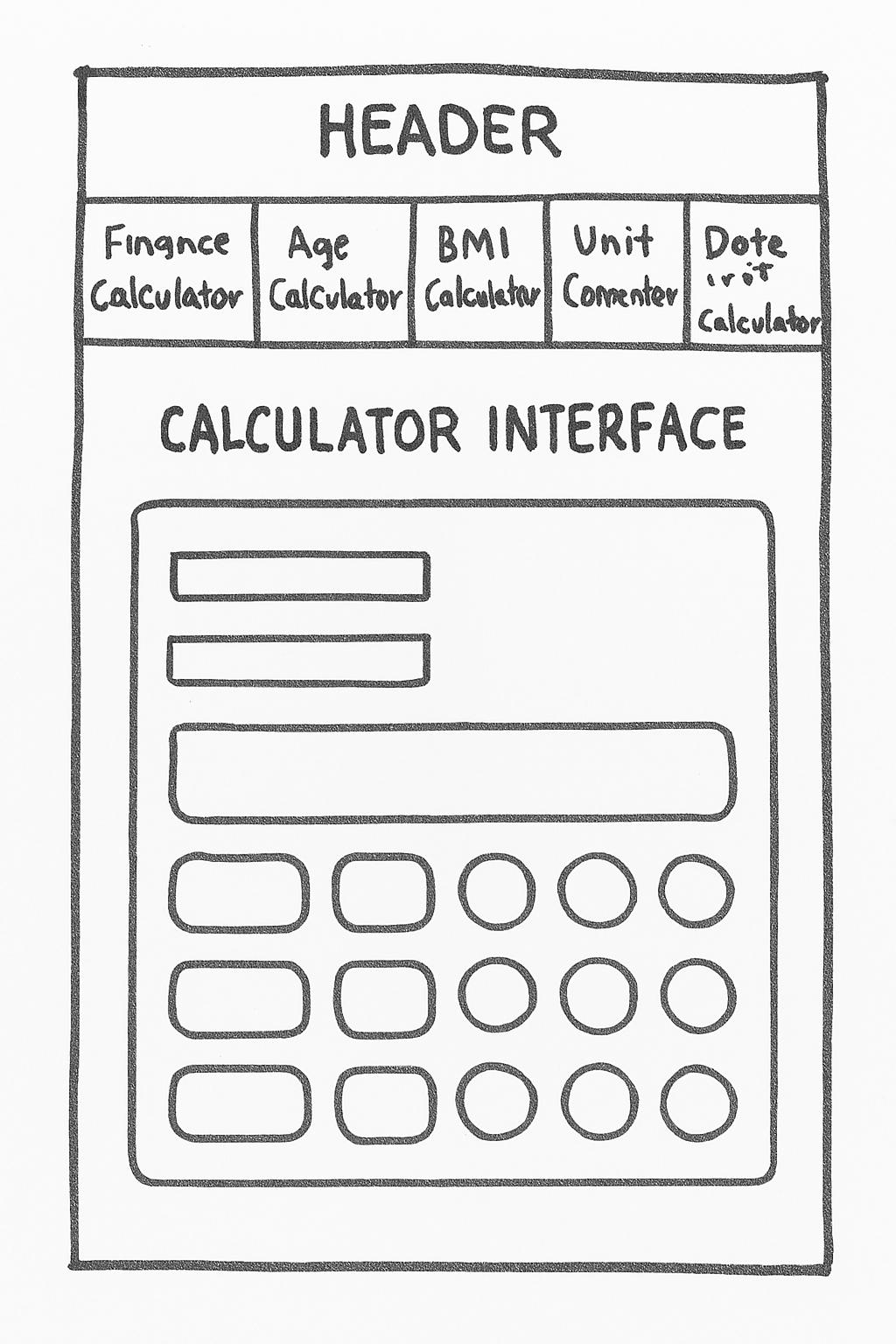
Every calculator ought to be straightforward and task-specific:
• Age Calculator: Utilize date inputs to determine the difference between the current date and the date of birth; it includes number inputs, operation buttons (+, -, ×, ÷), and a clear display for results.
• BMI Calculator: Provides height and weight inputs with unit choices (kg/lb, cm/ft).
Utilizing the loan amount, interest rate, and term, the loan calculator computes monthly payments. The percentage calculator determines percentages, increases, or decreases between numbers.
• Date Calculator: Determine how many days separate two dates.
When feasible, give immediate results and label the input fields clearly.
5. Unit Converters
For routine computations, unit converters are immensely helpful. Add these typical categories:
• Length: Convert between inches, centimeters, feet, and meters
• Weight: Alter between ounces, pounds, and kilograms.
• Temperature Conversion: Kelvin, Fahrenheit, and Celsius
• Data Storage: Switch between gigabytes, megabytes, and bytes
You can incorporate free APIs that offer real-time exchange rates for currency conversion. Your website gains a great deal of value from this.
6. User Experience and Design
A well-designed website is a pleasure to use. Select an eye-friendly color scheme; grays and blues are frequently good choices for technical tools. Make sure the background and text have adequate contrast.
Make your website responsive to ensure that it functions flawlessly on desktops, tablets, and smartphones. On mobile devices, buttons should be big enough to tap with ease. Make use of consistent spacing and legible fonts throughout.
When users interact with buttons, add subtle animations or color changes to make the experience more interesting and to validate their actions.
7. Evaluation and Enhancements
Make sure your website is fully tested before launching. Verify that each calculator functions properly by trying it with various inputs. Examine how it appears and works in different browsers, such as Chrome, Firefox, and Safari.
Since mobile devices account for more than half of all web traffic, pay close attention to mobile usability. Have family members or friends visit your website and report any confusion or issues they run into.
8. Going Live and Maintenance
Once everything works smoothly, it’s time to share your website with the world. You can host it for free on platforms like GitHub Pages or Netlify. For a more professional presence, consider buying a domain name that’s easy to remember.
After launching, keep improving your website based on user feedback. You might add new calculators, improve the design, or fix any issues that arise. Regular updates keep your website relevant and useful.
In conclusion
A great project that blends web development expertise with real-world utility is creating a multi-calculator website. You can hone your coding skills while offering users real value by building a centralized platform for different calculation needs.
The best part is that you can add more features gradually after starting with simpler ones. Start with simple calculators and work your way up to more complex tools like unit converters. As your expertise advances, your website can develop into a comprehensive resource that helps people save time and effort on everyday tasks.
Keep in mind that the most effective tools are those that provide dependable and straightforward solutions to actual problems. Your calculator website will become the go-to source for anyone in need of precise, fast calculations if you concentrate on making the user experience seamless.
Been kicking around 750bet1 recently, and gotta say, it’s not a bad little site. Decent selection of games and the payouts seem fair enough. Worth a punt in my book. Have a look at 750bet1!